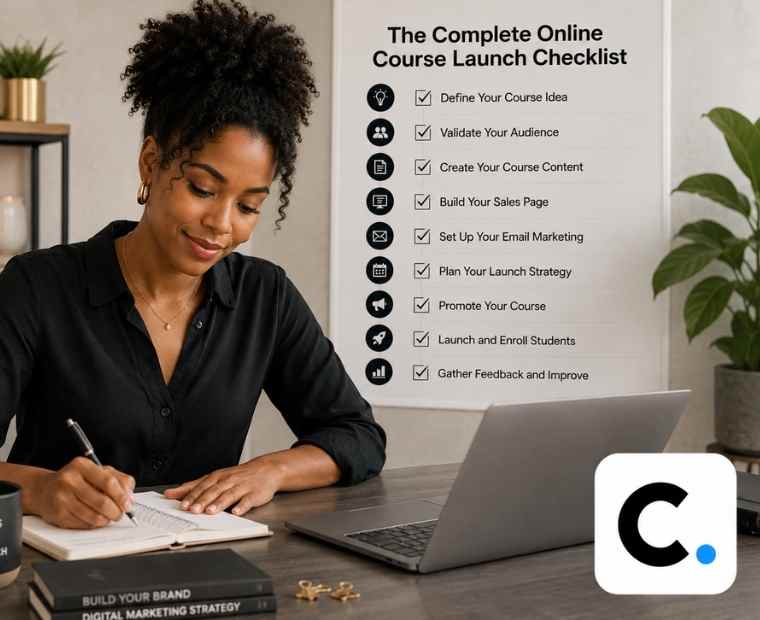
Imagine spending months creating an online course, only to launch it to little or no sales. Unfortunately, this happens more often than you’d think. Instead of guessing whether your course will sell, why not validate demand and generate revenue upfront?
Pre-selling your online course allows you to:
✔ Validate your course idea before investing too much time and effort.
✔ Build excitement and anticipation among your audience.
✔ Get paid before you create the course, reducing financial risk.
✔ Gain valuable insights from early buyers to refine your content.
In this guide, we’ll walk you through a proven step-by-step approach to successfully pre-sell your course, ensuring a profitable and stress-free launch.
Step 1: Validate Your Course Idea
Before you start selling, you need to confirm that people are willing to pay for your course. Here’s how to validate your idea effectively:
1.1 Conduct Audience Research
Find out if your target audience actually needs and wants your course.
- Survey your email list and social media followers to identify pain points.
- Join industry forums and Facebook groups to see what questions are being asked.
- Use keyword research tools (like Google Trends or AnswerThePublic) to find popular topics.
1.2 Analyze Market Demand
Check if similar courses already exist. If they do, that’s a good sign—it means people are buying!
- Browse platforms like Udemy, Teachable, or Thinkific to see what’s selling.
- Read customer reviews on existing courses to identify gaps you can fill.
1.3 Engage in One-on-One Conversations
Talk directly to your potential students. A quick discovery call or social media poll can help you understand what they truly need from a course.
Step 2: Outline Your Course and Offer Pre-Sale Incentives
Now that you’ve validated your idea, it’s time to create a compelling course outline and pre-sale offer.
2.1 Create a Basic Course Framework
You don’t need a fully built course yet—just a structured outline.
- Define your learning objectives (What will students achieve?).
- Break content into modules and lessons with a clear roadmap.
- Identify key resources, worksheets, or bonuses to add value.
2.2 Offer Exclusive Pre-Sale Perks
To encourage early buyers, consider offering:
✔ Discounted pricing for the first group of students.
✔ Exclusive bonuses, like a live Q&A or extra coaching session.
✔ Early access to content before the full course launches.
Step 3: Build a Simple Pre-Sale Landing Page
You don’t need a full website to pre-sell your course—just a simple, high-converting landing page.
3.1 Essential Elements of a Pre-Sale Page
Your pre-sale page should include:
- A compelling course title and description
- The transformation (What will students achieve?)
- Key topics covered in the course
- Limited-time pre-sale pricing and bonuses
- A clear call-to-action (Buy Now or Join the Waitlist)
3.2 Tools to Create Your Landing Page
Use easy-to-build platforms like:
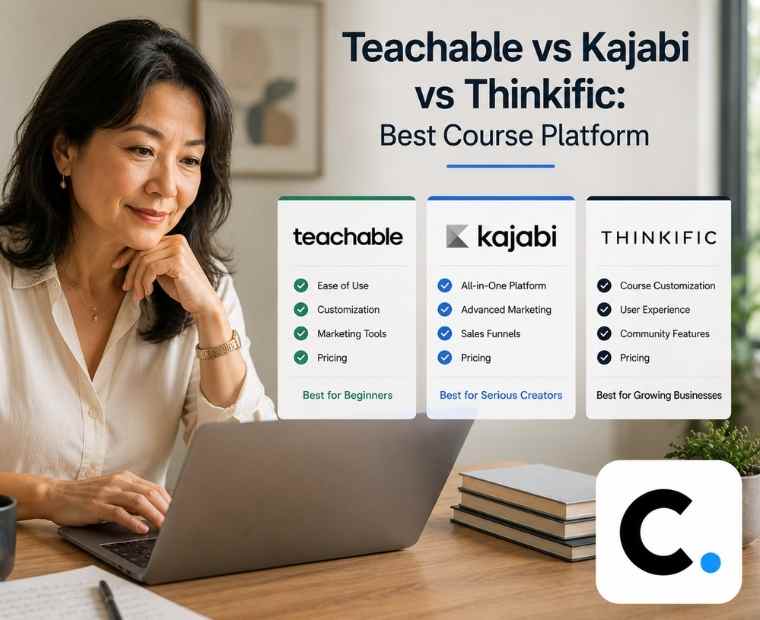
- Kajabi, Teachable, or Thinkific (if you’re using them for course hosting)
- Leadpages or ClickFunnels for optimized sales pages
- WordPress + Elementor for a fully customizable page
Step 4: Market and Sell Your Course Before You Create It
Once your landing page is live, it’s time to promote your course and drive pre-sales.
4.1 Leverage Your Existing Audience
- Email marketing: Send a sequence of emails explaining the course benefits.
- Social media posts and stories: Create buzz and share testimonials.
- Live webinars or Q&A sessions: Engage directly with potential students.
4.2 Run Paid Ads for a Bigger Reach
If you want to speed up sales, invest in Facebook, Instagram, or Google Ads targeting people who are actively looking for solutions related to your course topic.
4.3 Partner with Influencers or Affiliates
Get industry influencers or affiliates to promote your course in exchange for a commission on sales.
Step 5: Deliver the Course and Keep Students Engaged
After you’ve pre-sold your course, it’s time to deliver on your promise.
5.1 Choose a Course Delivery Model
There are two ways to deliver a pre-sold course:
- Live Course Model: Teach lessons in real-time via Zoom or webinars.
- Drip-Release Model: Upload lessons weekly while interacting with students.
5.2 Keep Students Engaged
- Create a private community (Facebook Group or Slack) for discussions.
- Send progress emails with reminders and extra motivation.
- Collect feedback to refine future course versions.
Final Thoughts: Why You Should Pre-Sell Your Course
Pre-selling your online course reduces financial risk, validates demand, and builds excitement before you even create the content. By following these five steps, you can ensure a profitable launch while avoiding wasted time on a course that doesn’t sell.
✔ Validate your idea with audience research.
✔ Create an irresistible pre-sale offer with exclusive perks.
✔ Build a simple landing page to drive early sales.
✔ Market your course through email, social media, and ads.
✔ Deliver high-quality content and keep students engaged.
Are you ready to turn your expertise into a profitable online course? If you need help with course creation, marketing, or launching, our done-for-you course creation services can help you every step of the way.
Contact us today to start building and pre-selling your course with confidence!