You may also ask Google Home or Android TV to play a podcast without specifying which one, assuming you have one of those devices.
Podcasts are typically audio content. Many podcasters don’t realize they can leverage YouTube to expand their reach massively. It’s as easy as publishing your podcast on your podcast hosting service and YouTube.
- Step 1: Upload your podcast audio files to your podcast host
- Step 2: Use a video editor to create a thumbnail for each episode
- Step 3: Upload the thumbnail image to your YouTube channel, along with a link back to the episode on your host (this will help Google index your videos)
- Step 4: Publish each episode on YouTube and link back to it from your host (this will help drive traffic from YouTube to the podcast host).
Why should I upload my podcast to YouTube?
There are a lot of reasons why you should upload your podcast to YouTube. For one thing, it's a great way to get subscribers for your podcast—YouTube is one of the biggest search engines in the world, and if someone searches for something they're interested in listening to but can't find it elsewhere, they might well end up on your channel!
Also, uploading your podcast to YouTube means that you can use all of the features that come with it—like annotations and links—to enhance your content and make it easier for people who aren't familiar with your show to find out more about it. You can also use annotations to promote other shows on YouTube or other platforms so that those shows' creators get more exposure as well!
And finally: if you're uploading videos from anywhere else besides YouTube (like from Facebook or Instagram), then you should definitely think about uploading them there too because it'll make things easier for people who want to follow along with what's going on with you online without having to go looking around everywhere else at once!
How to Launch a YouTube Podcast?
If you're interested in starting a podcast on YouTube, it's easy to get started. We'll show you how to do it!
- Step 1: Create your own channel. First things first: you need to create your own YouTube channel. You can do so at [link].
- Step 2: Record your podcast
- Step 3: Edit your recording
How to Make a YouTube Channel:
- Go to https://www.youtube.com/newchannel
- Enter your email address and select “Create Channel”
- Choose “Create channel” again
- Create a channel name that describes what you do and write out a description of what your channel will be about (this will help when people search for keywords)
- Choose an icon for your channel – this will be used when people share videos from your channel on social media or other websites; it can be anything from an image or logo to just text with colors and fonts (make sure it’s something that represents your brand!)
- Once you’re done creating the profile page for your YouTube channel, click “Save Changes” in the top right corner at any time to save any changes made throughout this process.
How to ensure that your podcast is successful?
1. Optimize your keyword
The second most used search engine on the internet is YouTube. Use YouTube's SEO advantages by selecting topics based on popular keywords associated with your subject.
You can uncover keywords that perform well for the topics you'll be discussing by using SEO tools like Ubersuggest.
2. Make an Editorial Calendar
Make an editorial schedule and prepare in advance for the subjects you want to cover in your podcast. Approach your podcast like a blog and talk about the topics you know your listeners want to hear about.
Plan a series of podcasts on, for instance, the following topics if your company provides online fitness courses:
- The advantages of maintaining a fitness, regimen and enhance well-being
- Why some people have trouble keeping up a workout regimen
- How diet may change your habit and stay healthy
When arranging for special episodes or guest appearances, planning is also helpful. Your invited guests might need advance notice to fit it into their schedules, depending on who you would like to invite.
3. Partner with other podcasts
Guest appearances are an effective strategy to increase your audience and reach.
Search for other podcasts that your listeners might find interesting. Ask their hosts to participate as guests on your program, and in exchange, offer to do the same on their podcast.
4. Advertise your show
Don't rely solely on organic SEO traffic. Like with any other piece of content, advertise your YouTube podcast.
- Send your list an email.
- Share a message on social media.
- show snippets from earlier episodes.
- Create a little teaser film introducing the special visitor who will come in the next episode.
- All other advertising you conduct should mention it.
5. Be consistent
There are more than 1,750,000 podcasts available as of this writing. So how do you make a statement?
Being consistent is one of the easiest and most underutilized strategies for expanding your following.
The greatest way to stand out from the crowd, says podcasting guru David Perez, is to grow your following.
He explains that it may take a podcast 9 to 12 months to produce results. After just a few episodes, "podfade" affects many podcasters.
Being reliable provides you an advantage over the countless other podcasts that fail. David put it this way, “Whoever lasts the longest gets the best results.”
6. Be Flexible
Pay attention to your audience, and be prepared to modify your approach to suit their needs.
- To find out what's working, review your analytics and comments.
- Try out a few alternative formats.
- Focus on the formats that generate the most interaction.
How do you monetize your podcasts?
Monetizing your online course goes beyond just selling enrollments—you can leverage multiple revenue streams to maximize earnings and create a sustainable business. Here are some of the most effective ways to generate income from your course:
1. Course Sales & Memberships
- Sell your course as a one-time payment or offer a subscription model for recurring revenue.
- Create a membership site where students pay monthly for access to exclusive content.
2. Sponsorships & Partnerships
- Partner with brands in your niche to sponsor lessons or modules.
- Feature recommended tools or software in exchange for sponsorship deals.
3. Affiliate Marketing & Product Promotions
- Promote relevant products or services within your course and earn commissions.
- Use affiliate links in your course resources to generate passive income.
4. Upsells & Premium Offers
- Offer 1:1 coaching, VIP packages, or advanced training for higher-ticket sales.
- Sell done-for-you templates, exclusive workbooks, or private consulting sessions.
5. Donations & Crowdfunding
- Encourage students to support your work through platforms like Patreon or Buy Me a Coffee.
- Offer bonus content, Q&A sessions, or exclusive webinars to engaged supporters.
According to industry reports, high-ticket online courses with strong authority and trust see better conversions than traditional ads. Just like podcast listeners trust their hosts, students trust course creators who provide real value.
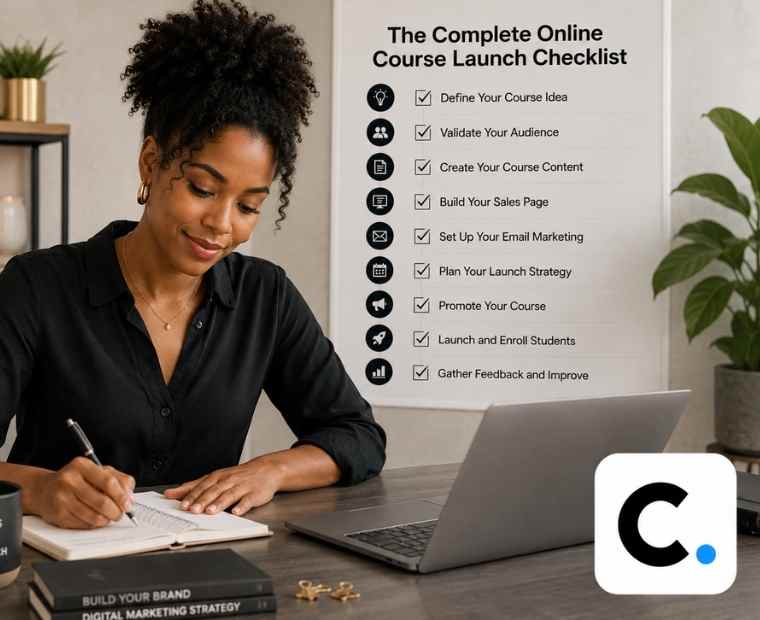
🚀 Ready to launch and monetize your online course? Now’s the time to start! Create high-quality content, implement these monetization strategies, and watch your course business grow!