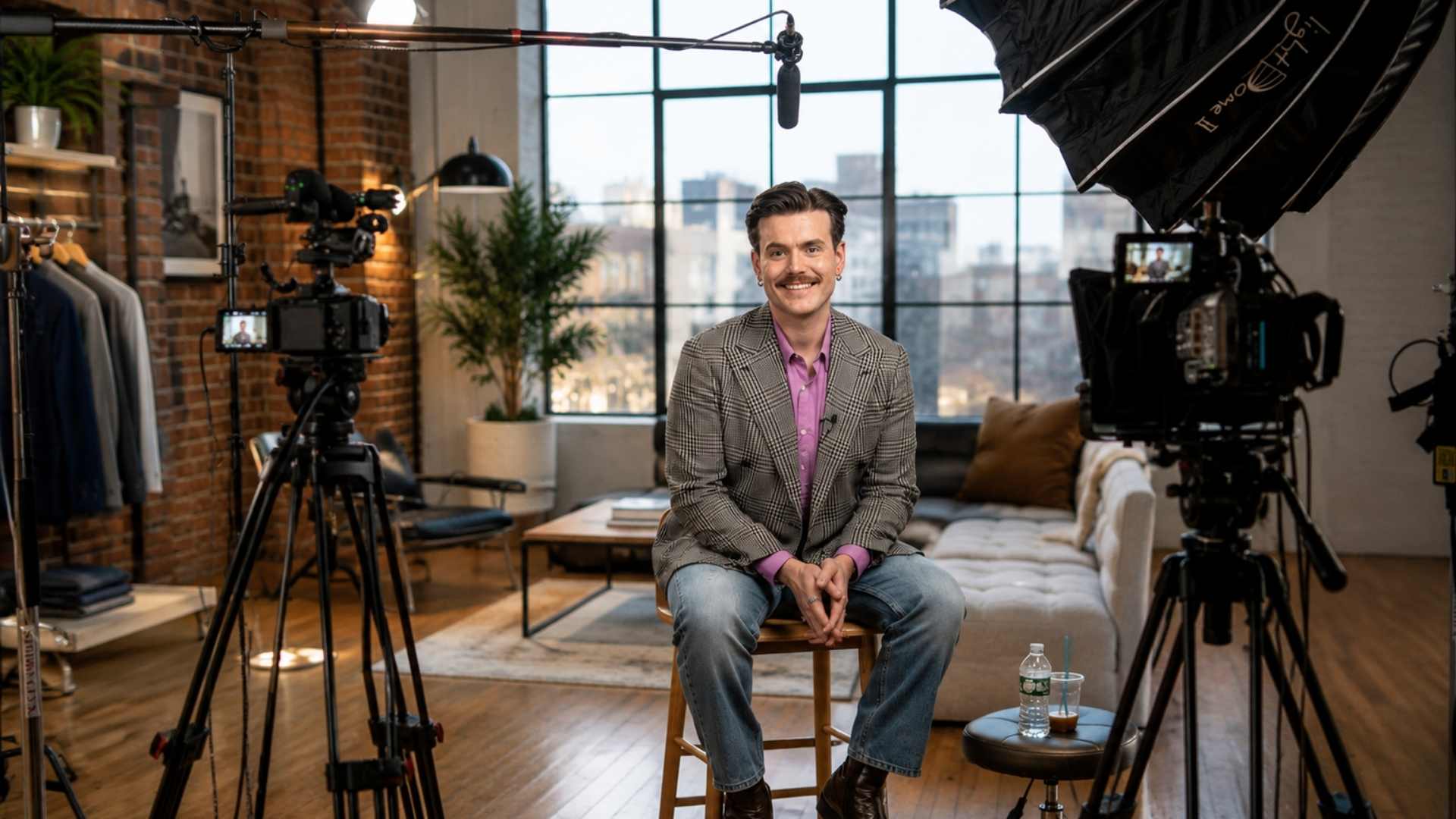
Kehinde Fawumi — known as Kenny — is a technologist who built his Break Into Big Tech program around one specific insight: fewer than 4% of candidates get big tech hiring right, and the gap between the 96% who don't and the ones who do is almost never raw ability. It's preparation, positioning, and knowing what companies were actually looking for. The program worked. The results were real. The challenge was a VSL that could explain all of that quickly enough to keep a career changer's attention and clearly enough to move the right people toward enrollment without overwhelming anyone who arrived skeptical about whether something like this could actually work. COURSE produced it.
The message clarity work came first. Before a camera was set up, COURSE worked with Kenny to define the exact transformation the program delivered, identify the specific fears and objections the target audience — career changers and ambitious professionals — carried into their first encounter with the offer, and simplify the path from where they were to where the program could take them into a narrative that felt honest and achievable rather than aspirational and vague. Breaking into big tech was a big promise. The VSL had to make it feel like a real, learnable thing rather than an exceptional outcome available only to people who already had an unfair advantage.
Video production was directed around the credibility challenge that big tech career content faced. Kenny's Forbes Technology Council authorship, his firsthand industry experience, and his track record as a practitioner gave the VSL its authority foundation — the production brought that to screen with professional lighting, clean audio, and on-camera direction that kept his delivery natural and confident rather than scripted and stiff. The framing was conversational throughout, the register of a trusted professional sharing what he actually knew rather than a pitch designed to overcome objections through force.
Editing built the conversion experience. Strong opening hooks kept the audience past the first ten seconds. Clear pacing maintained attention through the sections of the VSL that required sustained comprehension — the explanation of why most candidates failed, the specific preparation Kenny's program provided, and the evidence that it worked. On-screen text reinforced key ideas for viewers processing at different speeds. Visual breaks supported comprehension rather than cutting away from it. Every edit served one goal: help the viewer understand the offer clearly enough to make a confident decision about it.